The Family Journey
A map for every stage of your family's journey.
From the first diagnosis to planning for the years ahead. Tell us your state and where you are today. We will show you what to do next and who can help near you.
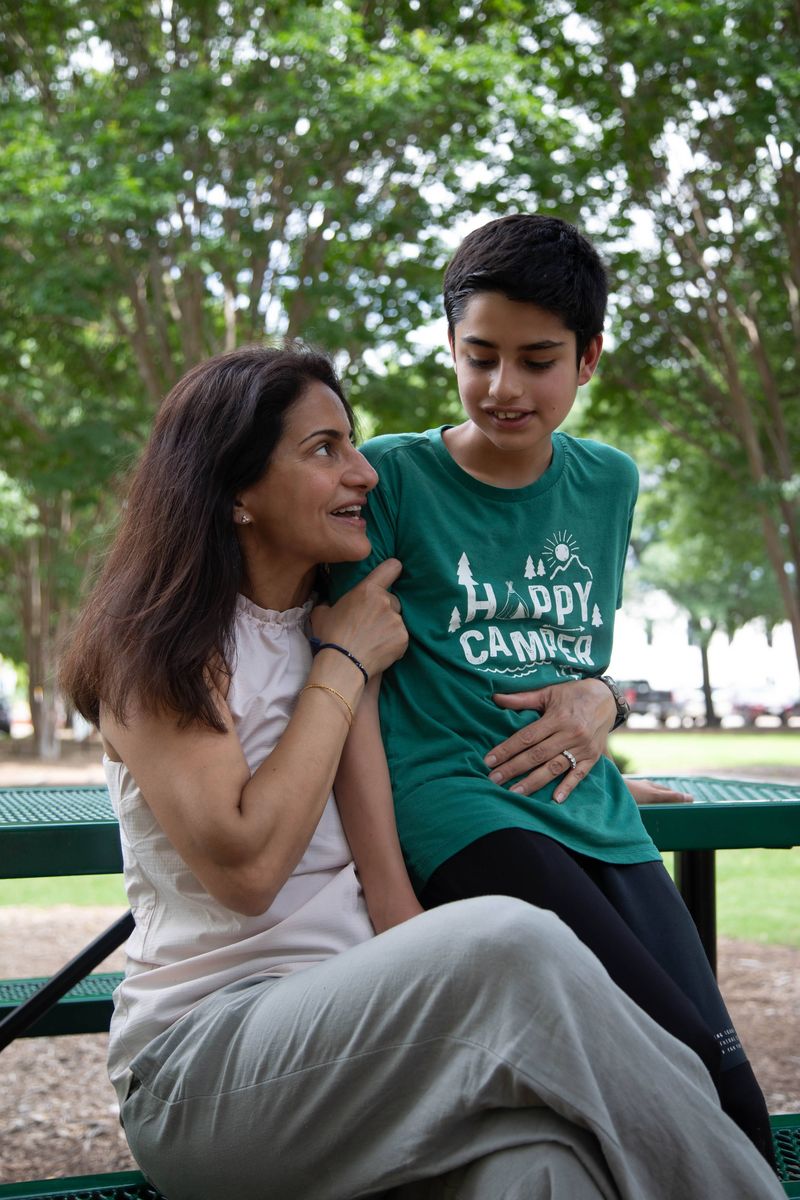
Welcome to Holland
In her 1987 essay Welcome to Holland, Emily Perl Kingsley compared learning your child has a disability to planning a trip to Italy and landing in Holland instead. Not a worse place. A different one, with its own beauty, and nobody handed you a map. This page is that map.
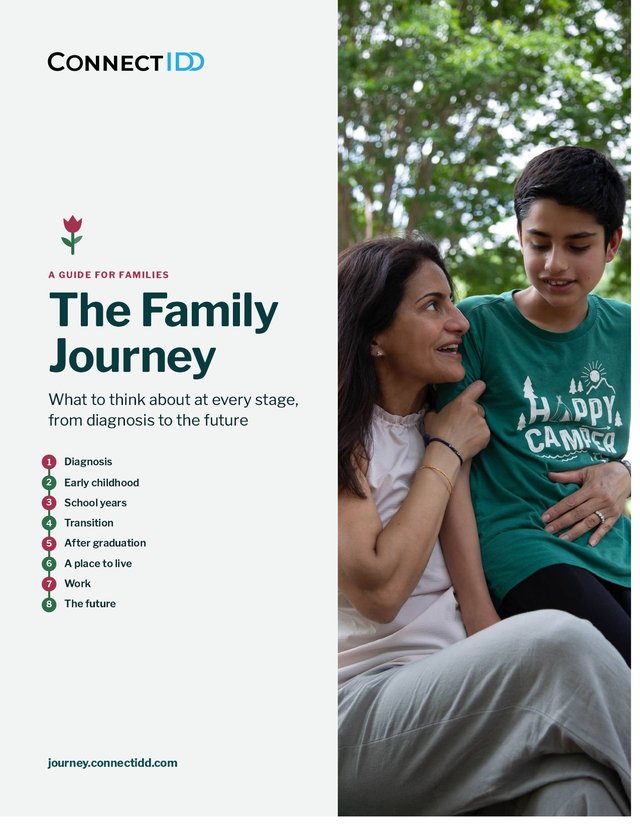
Download the Family Journey Guide by ConnectIDD!
All eight stages in one printable guide, from diagnosis to planning for the future. Questions to bring to every meeting, a care binder checklist, a letter of intent starter, worksheets, and national resources with live links.
The journey
Eight stages most families pass through
Pick a stage to see what is happening, what to do now, what to start planning, and who can help in your state.
Across every stage
The things that sit on top of everything else
Money, legal decisions, and long waiting lists do not wait for the right stage. Start these early, and come back to them often.
Why we built this
For most families, caregiving gets lighter over time. For families like yours, it gets heavier.
The Texas Disability Project listened to tens of thousands of families, people with disabilities, and providers. Researchers at Feedback found the same pattern again and again: the work of caring grows as a child grows, and so does the worry about the future.
Want every stage in one place to print and share? Download the Family Journey Guide by ConnectIDD!
Download the guideKnow a great guardianship attorney, parent group, or advocate?
We are still building listings for some of the help families need most. Add an organization or professional in your community, and we will verify it and put it in front of the next family.
This guide shares general information, not legal, medical, or financial advice. Rules change and differ by state, so check with the agency or a qualified professional before you act.
Where this information comes from
- Family stages, quotes, and the caregiving pattern: The Texas Disability Project, Phase One Report (2025), led by ConnectIDD with The Meadows Foundation, Feedback (qualitative research), and The Perryman Group (economic research). Quotes are from public posts by Texas parents studied by Feedback.
- State facts: State of Support, built from KFF, the U.S. Department of Education (IDEA Section 618), State of the States in IDD, the ICI National Survey of State IDD Agencies, RSA state plans, and the National Resource Center for Supported Decision-Making. Each fact names its year.
- Listings: the Disability Atlas, the ConnectIDD directory of disability services in every state and county.
- ABLE rules for 2026: disability starting before age 46, and a $20,000 yearly contribution limit, per The Arc.